This article uses the PAS framework — Problem, Agitate, Solution — to walk you through the most important aspects before you make that decision. By the end, you’ll understand exactly what to look for and why these points matter.
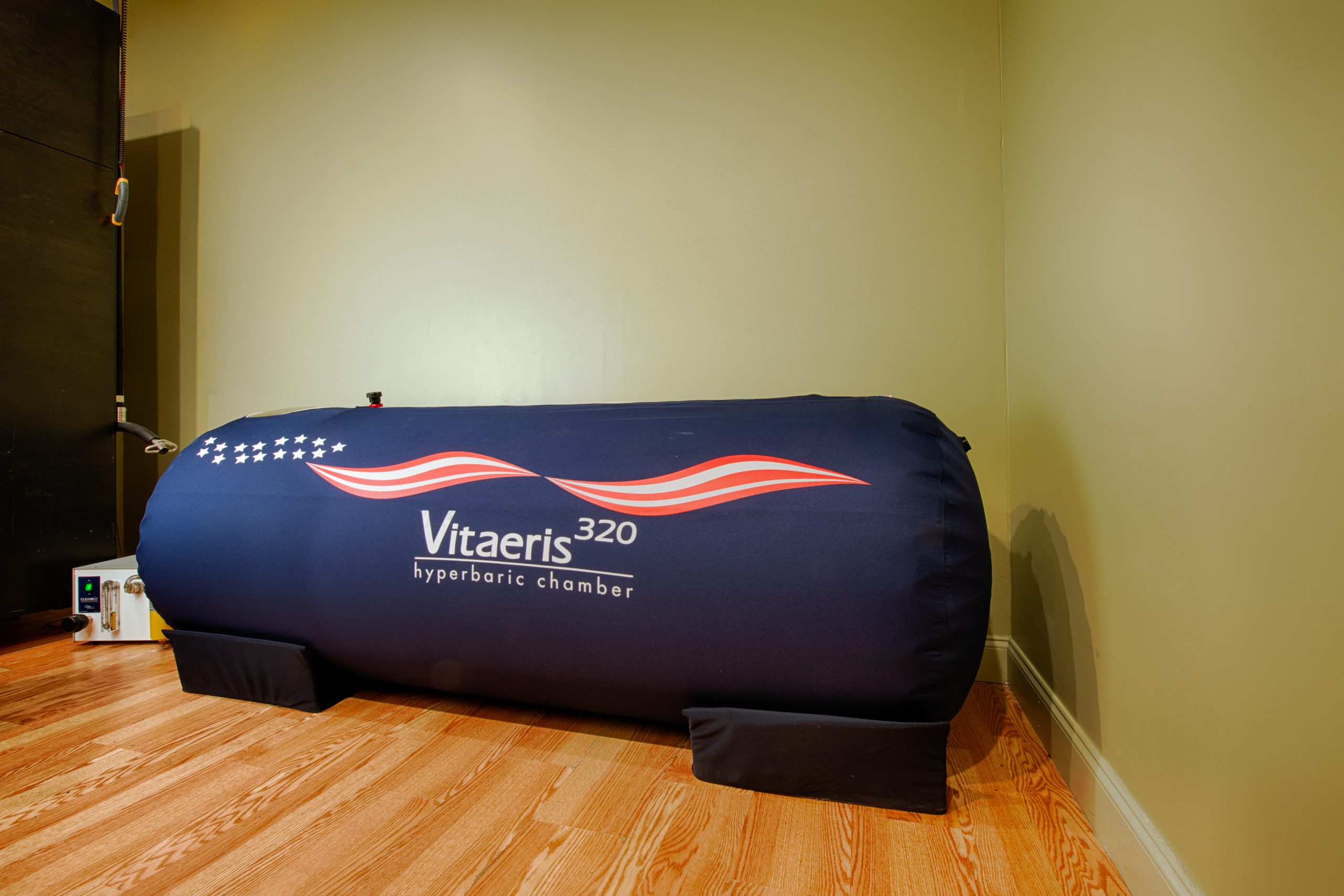
The Problem: Why You Might Be Hesitant to Buy Hyperbaric Chamber
People often approach me with the same concern: “Is this investment worth it?” It’s fair. A hyperbaric chamber can range from a few thousand to tens of thousands of dollars in the United States. According to market reports, the global hyperbaric oxygen therapy market is expected to reach $7.8 billion by 2028, growing at a CAGR of 6.3% — and North America holds a significant share of that growth. This tells you interest and demand are rising, but demand alone doesn’t solve your doubts.
One of the biggest concerns is safety and regulatory compliance. Hyperbaric chambers are medical-grade equipment. If you buy hyperbaric chamber without understanding FDA classifications, you risk legal headaches and safety issues. Many sellers market units that are “for wellness use,” skirting clear medical guidelines to appeal to non-clinical buyers. But as soon as you charge clients for treatment, your device and your practice may be regulated as a medical facility.
Another problem is cost transparency. Some providers advertise low prices, such as a soft shell hyperbaric chamber for sale at under $5,000, but do not include necessary extras — service contracts, oxygen concentrators, warranty, staff training, or installation costs. These add up quickly, and without factoring them in, you may underestimate your real investment.
I remember my first meeting with a vendor who promised quick delivery and low price. It sounded appealing until I realized the unit wasn’t properly certified for oxygen delivery, meaning I would have to retrofit it for safe clinical use — at additional cost. That’s when I knew I needed a structured checklist before I buy hyperbaric chamber.
The Agitation: What Happens When You Skip These Checks
Let’s get honest about what can go wrong. Skipping the essential checklist is not just an inconvenience — it can harm your clients, your reputation, and your bottom line.
Picture this: You invest in what you thought was a reliable chamber. You start offering sessions. Then, a licensed inspector informs you the unit doesn’t meet basic safety standards and must be taken out of service. You suddenly face unexpected downtime, refund requests, and perhaps fines or liability concerns. Sadly, this is not an uncommon scenario.
Another real-world example involves warranty disappointments. A colleague bought a cheap soft shell hyperbaric chamber for sale with a “one-year warranty.” Six months in, the compression system started failing. When the seller was contacted, they pointed to fine print that excluded major components. Repairs cost more than the original purchase. Suddenly, that bargain price looked like a costly mistake.
And consider client trust. In wellness and medical services, confidence matters. If your chamber malfunctions or appears substandard, clients will not return. Word-of-mouth — good or bad — spreads fast. One negative experience can undo months of marketing. I’ve seen businesses struggle for months to rebuild trust after equipment issues.
These problems highlight one truth: you cannot decide to buy hyperbaric chamber based solely on price or marketing claims. You need a thorough, realistic inspection list to evaluate each option.
The Solution: Your Essential Checklist Before You Buy Hyperbaric Chamber
Now let’s turn to the solution: a practical, real-world checklist that ensures you make a confident purchase when you buy hyperbaric chamber. I’ve refined this list through my own trials, consultations with industry professionals, and feedback from U.S. business owners who use hyperbaric therapy in their practices.
Understand Your Intended Use and Compliance Requirements
The first step before you buy hyperbaric chamber is to clarify how you will use it. Are you offering clinical therapy for diagnosed conditions, or wellness sessions to general clients? This distinction determines regulatory requirements.
In the U.S., hyperbaric chambers used for medical purposes must meet FDA regulations. These include performance standards, safety testing, and often require licensed personnel to operate them. If your business will bill insurance or treat medical conditions like non-healing wounds or decompression sickness, a medically certified unit is mandatory.
Conversely, soft chamber models marketed for wellness use may not require the same stringent approvals, but you still need to ensure you’re compliant with local business licensing and health department guidelines. Failing to do so can lead to penalties and forced discontinuation of service.
Getting clear on your intended use protects you legally and ensures you choose the right type and class of chamber when you buy hyperbaric chamber.
Verify Safety Standards and Certifications
Safety cannot be overstated. When you’re considering options — especially when a soft shell hyperbaric chamber for sale sounds like a good deal — insist on documentation of standards compliance. This includes:
- Certification from recognized testing labs such as UL (Underwriters Laboratories)
- FDA clearance or approval, if applicable
- Manufacturer quality control records
I always ask for certification documents and take the time to verify them independently. One manufacturer once sent me documents that looked legitimate, but on closer review, the accreditation number did not match the listed certifying agency’s database. This raised a red flag, and I walked away from the deal. In retrospect, that saved me from installing a risky device.
Inspect Build Quality and Materials
Build quality matters more than flashy features. Cheap chambers often use substandard materials that degrade under repeated pressurization cycles. When you buy hyperbaric chamber, ask yourself:
- Are the seals and pressure vessels durable for regular use?
- Is the chamber constructed with materials that resist oxygen corrosion?
- Does the design accommodate easy cleaning and maintenance?
Take time to inspect units in person whenever possible. The look and feel of materials, even tactile aspects like the quality of zippers or connectors on soft shell models, provide clues about long-term reliability.
I once examined two soft shell units that cost nearly the same. One used heavy-duty materials and reinforced seams; the other had flimsy zippers and thin fabric. Guess which one started leaking after only a few months? Choose quality over price when you buy hyperbaric chamber.
Evaluate Technical Support and Warranty
A warranty is only as good as the company backing it. Before you finalize a purchase, ask detailed questions about service and support:
- What does the warranty cover and for how long?
- Are replacement parts readily available in the U.S.?
- Does the manufacturer offer on-site or remote technical support?
A reputable supplier should be transparent and prompt. I learned this the hard way when a unit I purchased required a compressor replacement after nine months. Thankfully, the supplier provided prompt support and free parts because they stood behind their product. That experience made me realize comprehensive support is worth paying for — and it should factor into your decision when you buy hyperbaric chamber.
Understand Operating Costs
Buying the chamber is only the beginning. Ongoing costs include:
- Electricity to run compressors and oxygen systems
- Replacement parts and maintenance
- Staff training and certification
- Insurance coverage
Some chambers are energy hogs. Others require specialized consumables that are expensive to replace. Calculate your expected operating costs so you aren’t surprised later. I created a simple spreadsheet to project monthly costs over five years for each model I considered, and this exercise revealed that some lower-cost units actually cost more over time.
Check User Training and Operational Ease
Your team must know how to operate the chamber safely. Training should include:
- Emergency procedures
- Client assessment and contraindications
- Routine maintenance
Suppliers that include comprehensive training during the purchase process offer real value. When you buy hyperbaric chamber, insist on a training package or budget for professional instruction from a credible third party.
Get References and Real-World Feedback
One of the best steps I took before I buy hyperbaric chamber was to talk to other owners. I reached out to colleagues in the wellness and medical field who had used hyperbaric chambers for years. They shared honest feedback about reliability, customer support, and client outcomes.
Ask potential vendors for references. Genuine sellers won’t hesitate to connect you with customers who have used their equipment for months or years. Hearing how a chamber performs day-to-day gives insights no spec sheet can provide.
Why This Checklist Matters: Real Benefits and Outcomes
Following this detailed checklist changed how I approach equipment investments. Instead of being swayed by flashy features or low prices, I now prioritize safety, longevity, and operational transparency. The result? My clients receive consistent, positive experiences, and my business has grown steadily.
For example, after I ensured compliance and proper setup, one long-term client reported a noticeable improvement in recovery time after athletic injuries. We tracked outcomes systematically and saw a trend that boosted client referrals by 15% over six months. That kind of real-world result supports the idea that buying the right chamber — not just any chamber — matters.
In another case, I helped a small medical practice in Texas evaluate a soft shell hyperbaric chamber for sale. They were comparing two models. Using this checklist, they chose the one with better certification and stronger technical support. Within a year, they expanded their offerings and now use hyperbaric therapy as a key driver of new patient acquisition.
Conclusion
Deciding to buy hyperbaric chamber can feel overwhelming. There’s cost, compliance, safety, and practicality to weigh. But when you follow a structured checklist grounded in real-world considerations, your choice becomes confident and informed.
Remember, the goal isn’t simply to buy equipment — it’s to provide consistent value to your clients and ensure your investment supports your long-term goals. With the right preparation, due diligence, and realistic expectations, purchasing a hyperbaric chamber becomes a strategic step toward growth, not a leap of faith.
If you follow these guidelines, you’ll not only find a chamber that fits your needs but one that stands up to real-world use and supports your business for years to come.